Women's Wellness · Educational Series
One Kitchen Staple Is Why Gelatin Keeps Coming Up in Conversations About Women's Changing Bodies
As women move through different life stages, collagen naturally declines — and gelatin, a traditional food source of it, is getting a second look. Here’s what the conversation is really about.
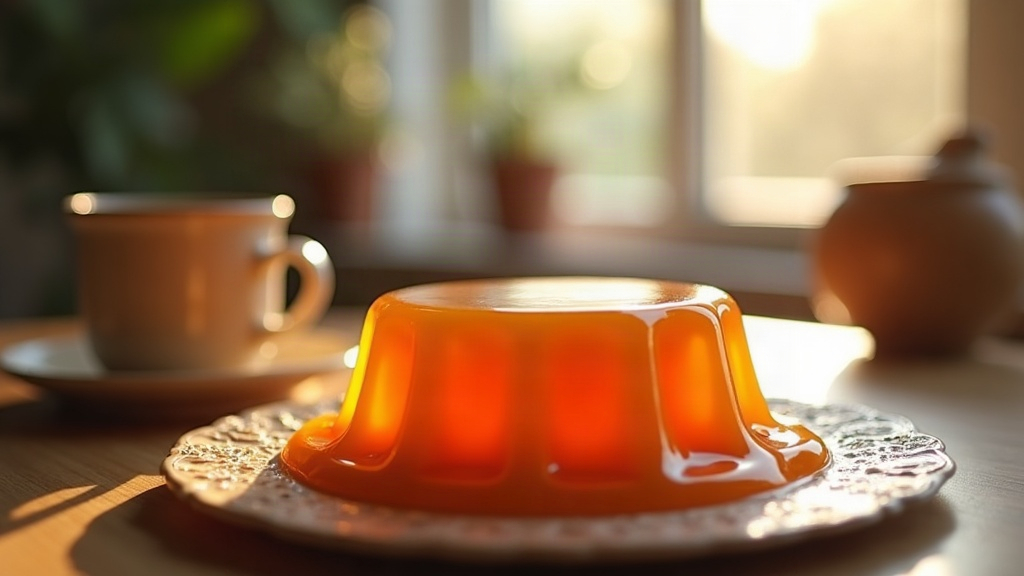
What Changes in a Woman's Body — And Why It's Rarely Talked About
A woman’s body shifts in quiet ways over the years. Collagen. Fullness after meals. Muscle tone. Most of it never makes the headlines.
Collagen Declines Earlier Than Most Expect
Collagen production starts slowing in a woman's twenties and thirties — long before it becomes visible. Gelatin is simply cooked, broken-down collagen, which is part of why it keeps surfacing in these conversations.
Satiety Signals Shift With Age
The feeling of 'fullness' after eating isn't fixed — it changes as hormones and metabolism shift, often without a clear reason why.
Lean Mass Doesn't Stay Static
Muscle tissue naturally changes over time, and traditional diet advice rarely accounts for this piece of the puzzle.
Traditional Dieting Wasn't Built With This In Mind
Most mainstream diet plans were designed around simple calorie math — not around collagen, tissue composition, or how satiety actually works for women.
Myths vs Facts: What's Actually Known About Female Metabolism
Metabolism talk is full of shortcuts and oversimplified rules. Here’s a closer look.
Metabolism only slows down because of age.
Age plays a role, but muscle composition, sleep, and daily habits all factor into how the body uses energy.
Any protein source affects fullness the same way.
Different proteins behave differently in the body — gelatin, for instance, has a distinct amino acid profile compared to muscle-meat proteins.
Cutting calories is the only lever that matters.
Food quality, habit consistency, and even meal structure are all part of the broader picture researchers look at.
A Simple, Habit-Based Approach
No extremes. No overhauls. Just a small, repeatable habit.
Step 1 — Notice the Pattern
Start by paying attention to when fullness fades and energy dips throughout your day.
Step 2 — Introduce One Consistent Habit
Many women explore adding a gelatin-based habit into an existing routine, rather than changing everything at once.
Step 3 — Stay Consistent, Not Perfect
Small, repeated habits tend to matter more than any single dramatic change.
Where This Idea Actually Comes From
Long before supplements existed, grandmothers simmered bones and connective tissue for hours to make broths and gelatin desserts. It wasn’t a trend — it was tradition, passed down because it worked with what was available in the kitchen.
Insight: Gelatin is simply the cooked form of collagen. The ‘discovery’ isn’t new — it’s a return to something kitchens already knew.
Six Signs Women Often Notice — And Rarely Connect
Hunger Returns Faster Than It Used To
Meals that once felt satisfying don't seem to hold the same way.
Skin Feels Less Supple
Changes in skin texture are one of the most commonly reported shifts tied to collagen decline.
Joints Feel Stiffer After Activity
Connective tissue changes can show up as stiffness that wasn't there before.
The Scale Moves Without Explanation
Weight fluctuations that don't match diet or exercise changes are more common than most realize.
Energy Dips Mid-Afternoon
A slump that coffee doesn't seem to fix could be tied to how meals are structured.
Nails Become More Brittle
Like skin, nails often reflect changes in the body's collagen and protein supply.
What Women Are Saying

Testimonials reflect individual experiences and opinions. Individual results may vary. These statements have not been evaluated by the FDA and are not intended to diagnose, treat, cure, or prevent any disease.
Frequently Asked Questions
Hydrolyzed gelatin is gelatin that has been broken down into smaller peptides so it dissolves more easily in liquid. It comes from the same collagen source as traditional gelatin, just processed differently.
Gelatin is cooked collagen. When collagen is heated, it transforms into gelatin — they come from the same connective tissue source.
No. Collagen naturally changes over time for women of all ages, and habit-based approaches can be relevant at any stage.
No. This is educational content about a traditional ingredient, not a replacement for medical advice or a balanced diet.
Gelatin is commonly used in cooking, baking, and homemade recipes. It’s been a kitchen staple for generations.
Collagen and connective tissue have been studied in various contexts, though individual needs and responses vary widely.
Yes. Always consult a qualified healthcare professional before making changes to your diet or routine.
Curious About the Full Picture?
Watch the video to see how this traditional ingredient fits into the broader conversation about women’s changing bodies.
Advertising Disclosure: This page contains sponsored content and affiliate links. We may receive compensation if you make a purchase through links on this page. This does not affect the price you pay and helps support the educational content we provide.
Content Disclaimer: The content on this page is for educational and informational purposes only. It is not intended as medical advice. Statements made here have not been evaluated by the Food and Drug Administration (FDA). This information is not intended to diagnose, treat, cure, or prevent any disease. Always consult a qualified healthcare professional before making changes to your diet, exercise, or wellness routine.
Results Disclaimer: Individual results may vary. Any testimonials or experiences shared on this page reflect personal opinions and are not a guarantee of any specific outcome. What works for one person may not work for another.
© 2026 · All Rights Reserved · Contact: /contact/